Personal Wardrobe Style That Actually Looks Like You
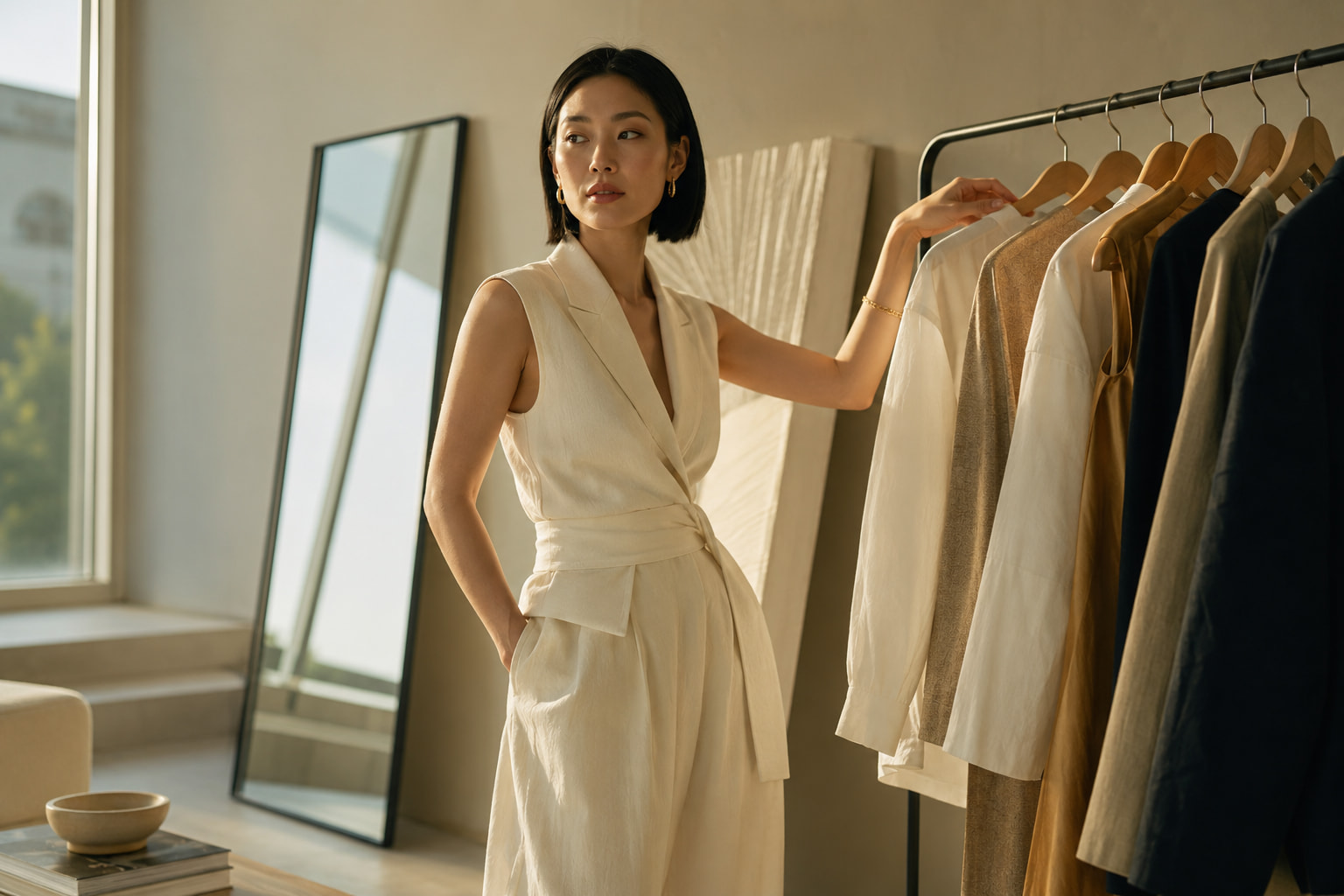
Personal wardrobe style should feel recognizable, comfortable, and aligned with the way someone wants to be seen. Many closets are full of items bought for imagined versions of life, temporary moods, or trends that never became real habits. A wardrobe that looks like you starts with honest observation. It considers lifestyle, body comfort, color preference, personality, and the outfits you naturally repeat. The Building a Wardrobe That Looks Like You resource helps turn those clues into a clearer style direction.
Notice What You Already Wear
The best wardrobe direction often begins inside the current closet. Look at the pieces that get worn often without effort. Notice their colors, shapes, fabrics, and mood. Maybe you return to soft neutrals, structured jackets, denim, relaxed tailoring, minimal dresses, or strong accessories. These repeated choices reveal more than inspiration boards. They show what already feels natural.
Define Your Style Words
Style becomes easier when it has language. Words such as refined, relaxed, classic, sensual, minimal, artistic, polished, practical, romantic, or sharp can guide decisions. The Building a Wardrobe That Looks Like You resource helps connect these words with actual clothing choices. If an item does not support the style words, it may not belong in the wardrobe.
Stop Dressing for a Fantasy Routine
A closet becomes frustrating when it is built for a life that does not exist. Beautiful occasion pieces, uncomfortable shoes, delicate fabrics, or overly formal outfits may sit unused if they do not match the week. Personal style should support real mornings, real workdays, real social plans, and real comfort needs. A wardrobe that looks like you should fit your actual life, not only your aspirational image.
Build Around Signature Repetition
Personal style becomes memorable through repetition. A favorite silhouette, color palette, jewelry shape, shoe style, fabric texture, or layering habit can become part of the visual identity. Repetition does not mean sameness. It creates recognition. The most stylish people often repeat their strongest elements because they know what works. A wardrobe becomes more personal when those patterns are chosen deliberately.
Edit Out What Feels Untrue
Some clothing looks good but still feels wrong. It may belong to an old phase, a trend that never fit, or an image copied from someone else. Editing these items can make the wardrobe feel more honest. The Building a Wardrobe That Looks Like You resource helps make editing less emotional by focusing on identity, usefulness, and alignment.
Create a Closet With a Clearer Reflection
A personal wardrobe should make getting dressed feel more natural, not more confusing. Notice your real habits, define your style words, and build around what feels true. For understated polish, read the Quiet Luxury Wardrobe article. For a sharper office direction, continue with the Office Siren Style article. The Building a Wardrobe That Looks Like You resource helps turn style into a more accurate expression of self.








Leave a comment