Old Money Style That Feels Refined Without Looking Costumed
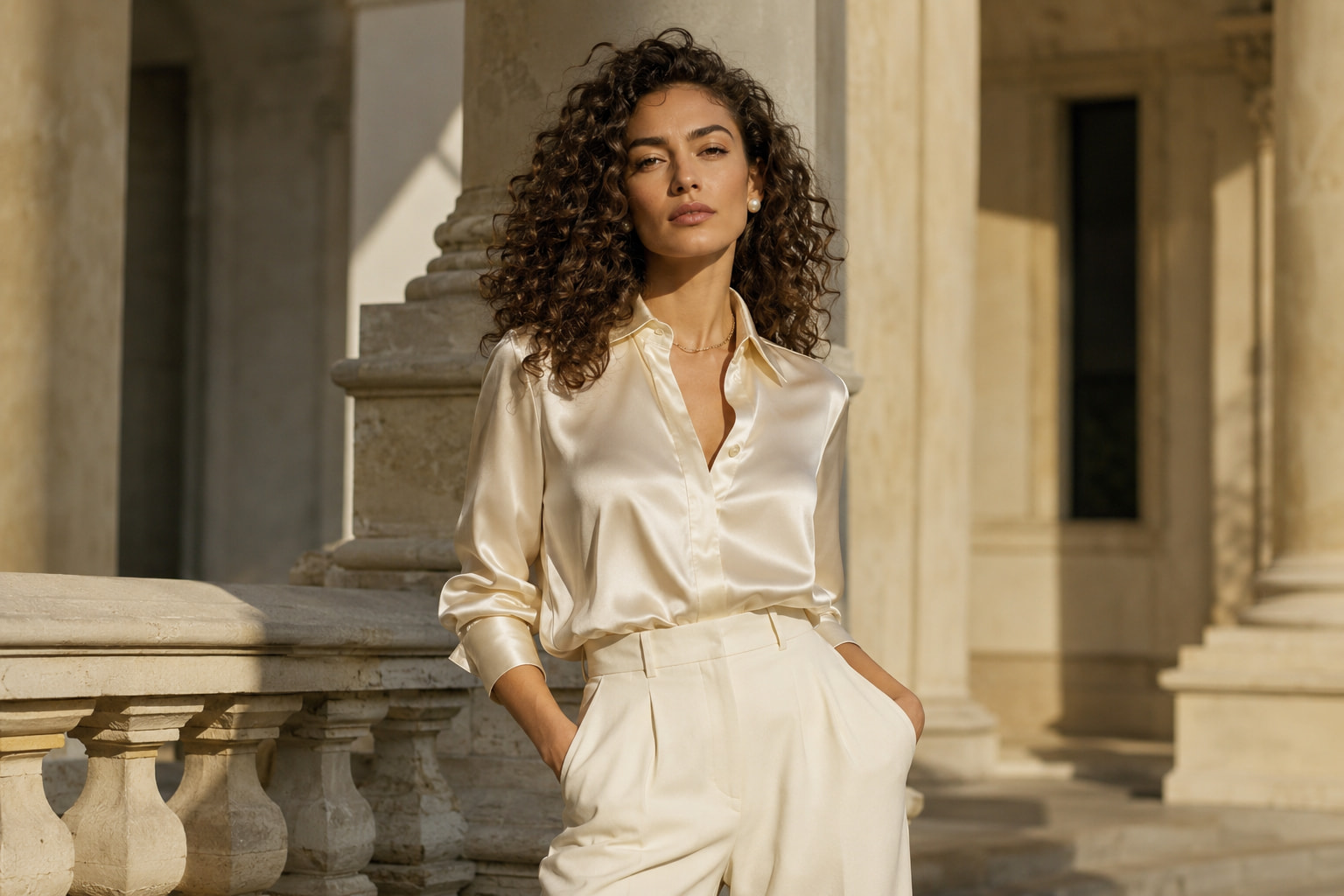
Old money style is less about copying a wealthy lifestyle and more about understanding restraint, quality, and quiet confidence. The look usually depends on polished basics, natural fabrics, calm colors, and pieces that feel established rather than trend-driven. A strong wardrobe in this direction should never look like a costume. It should feel easy, inherited in spirit, and carefully maintained. The Old Money Style Guide helps translate that traditional elegance into a wardrobe that works for modern daily life.
Start With Quiet Structure
Old money dressing often begins with structure. A blazer with clean shoulders, tailored trousers, a crisp shirt, a wool coat, or a simple knit can create the foundation. The pieces do not need to shout. They need to sit well on the body and hold their shape. Structure gives the outfit authority without making it feel stiff. This is why fit matters more than logos or obvious status signals.
Choose a Calm Palette
A refined palette keeps the wardrobe cohesive. Navy, ivory, camel, cream, charcoal, chocolate, black, olive, and soft gray all work beautifully in this style. These colors look elegant because they are easy to combine and rarely feel dated. The Old Money Style Guide helps make color decisions feel more intentional, especially when building a wardrobe that should look polished across seasons.
Focus on Fabric Over Flash
Fabric is one of the clearest signs of old money style. Wool, cotton poplin, cashmere, linen, silk, suede, tweed, and leather all carry visual depth when chosen well. A simple outfit can look expensive if the materials are strong. A flashy outfit can still look weak if the fabric is thin or poorly finished. The goal is to choose pieces that age gracefully and feel better with careful wear.
Keep Accessories Understated
Accessories should finish the outfit without taking over. A leather belt, small gold earrings, a silk scarf, classic sunglasses, a structured bag, or simple loafers can add polish. Old money styling usually avoids anything too loud, oversized, or trend-heavy. The best accessories feel useful, elegant, and almost inevitable. They support the outfit rather than becoming the entire point.
Avoid Looking Too Perfect
The strongest version of old money style usually has a little ease. A rolled sleeve, soft knit, relaxed trouser, or gently worn leather shoe can make the outfit feel lived in. Too much perfection can look artificial. The charm is in looking considered without appearing overly styled. This balance keeps the aesthetic modern, wearable, and personal.
Build Elegance That Lasts
Old money style works best when it is built slowly through quality, fit, and restraint. Choose fewer pieces, care for them properly, and let the wardrobe develop a consistent mood. For a softer modern version, read the Quiet Luxury Style article. For more classic wardrobe structure, continue with the Heritage Style article. The Old Money Style Guide helps make traditional refinement feel practical, natural, and current.








Leave a comment